Submerged Arc Welding Machine Myths Debunked What You Should Know
Understanding Submerged Arc Welding Machines
What is Submerged Arc Welding?
Submerged Arc Welding (SAW) is a highly efficient and automated welding process that uses a continuously fed electrode and a blanket of granular fusible flux. The method provides an excellent way to create strong welds in various metals and alloys. Originating in the 1930s, submerged arc welding machines have evolved significantly, integrating advanced technologies that enhance performance and efficiency. SAW is particularly effective for thick materials, as it generates a high deposition rate, making it a preferred choice in large-scale industrial applications, such as shipbuilding and heavy fabrication. The process also minimizes spatter and provides a clean working environment, as the arc is hidden beneath the flux, contributing to operator safety.
Key Components of Submerged Arc Welding Machines
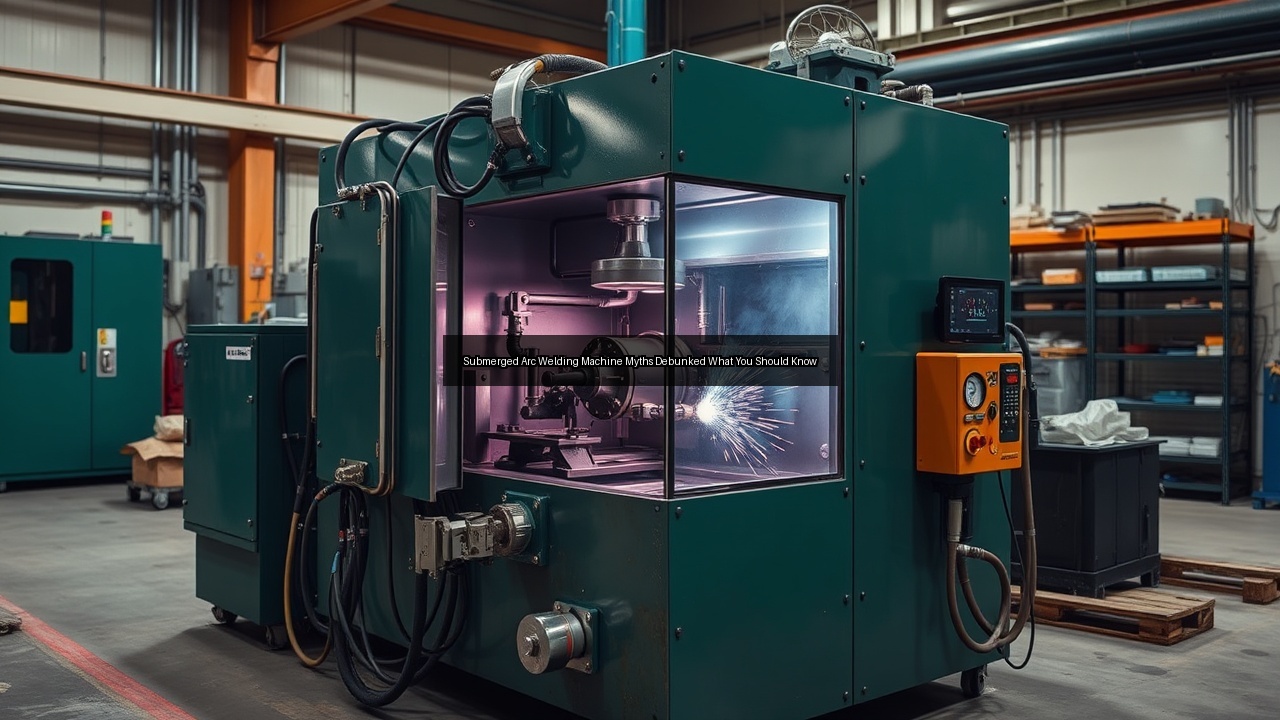
Submerged arc welding machines consist of several critical components that work together to deliver high-quality welds. The primary components include the welding power supply, which can be either direct current (DC) or alternating current (AC), a wire feeder that supplies the electrode wire, and a flux delivery system that feeds flux granules to the weld pool. The machine also includes a welding head, which guides the electrode and flux as they come together to create the weld. Additionally, a control panel allows operators to adjust parameters such as voltage and travel speed, ensuring optimal performance for different welding applications. Some advanced submerged arc welding machines may also integrate features like automatic switches, which enhance usability and efficiency.
How Submerged Arc Welding Works
The submerged arc welding process begins with the feeding of a continuously supplied electrode wire into a weld joint. This wire melts as an electric arc forms between the wire and the workpiece, creating a molten weld pool. The flux, which covers the welding area, serves multiple purposes: it protects the molten metal from atmospheric contamination, stabilizes the arc, and forms a slag layer that cools to protect the weld. This entire process occurs under the protective layer of flux, which keeps the weld clean and free from oxidation. The result is a strong, durable weld that can withstand significant stress and pressure. Understanding this process is essential for selecting the right submerged arc welding machine for specific applications.
Common Myths About Submerged Arc Welding
Myth 1: Submerged Arc Welding is Only for Thick Metals
One common misconception is that submerged arc welding is exclusively suitable for thick metals. While SAW excels in welding thick materials due to its high deposition rates and deep penetration, it is also effective for thinner sections. Many modern submerged arc welding machines offer adjustable parameters that allow operators to fine-tune the process for various material thicknesses. This adaptability makes SAW a versatile option for a wide range of applications, including those involving stainless steel and other alloys. Thus, the notion that SAW is limited to heavy-duty tasks overlooks its capabilities in more delicate welding scenarios.
Myth 2: Sub Arc Welding is Outdated Technology
Another myth surrounding submerged arc welding is that it has become outdated due to advancements in other welding techniques, such as TIG (Tungsten Inert Gas) or MIG (Metal Inert Gas) welding. In reality, submerged arc welding technology continues to evolve, incorporating state-of-the-art features that enhance efficiency and ease of use. Today's submerged arc welding machines boast advanced control systems, improved flux compositions, and better wire feeding mechanisms. These innovations ensure that SAW remains a competitive choice for various industrial applications, maintaining its relevance in modern welding practices.
Myth 3: Submerged Arc Welding Machines are Only for Industrial Use
Many believe that submerged arc welding machines are solely designed for large-scale industrial operations. While it is true that SAW finds extensive use in heavy manufacturing, its applications extend to smaller fabrication shops and repair facilities. The precision and quality of welds produced by submerged arc welding machines make them suitable for various projects, from constructing pipelines to building tractors. Small businesses and workshops can benefit from investing in SAW technology, as it enhances their welding capabilities and allows them to take on more complex projects.
Myth 4: All Submerged Arc Welders are the Same
Not all submerged arc welders are created equal. This myth oversimplifies the variety of submerged arc welding machines available on the market. Differences in power supply, voltage capabilities, and design features can significantly impact performance and weld quality. Leading brands, such as ESAB and Lincoln Electric, offer machines tailored for specific applications and materials, ensuring that users can find an optimal solution for their welding needs. When choosing a submerged arc welder, understanding these differences is crucial for achieving the best results in any welding project.
Choosing the Right Submerged Arc Welding Machine
Factors to Consider: Power Supply and Voltage
Selecting the right submerged arc welding machine involves considering several critical factors, with power supply and voltage topping the list. The choice between AC and DC power supplies can influence the quality and characteristics of the weld. While AC may be suitable for some applications, DC often provides a more stable arc and better penetration, especially for thicker materials. Voltage settings also play a crucial role in determining the heat input and travel speed during the welding process. Operators must assess their specific welding tasks and the types of metals or alloys they will work with, ensuring that the selected machine can meet the required specifications and performance standards.
Top Brands in Submerged Arc Welding Equipment
Weldability of Different Metals and Alloys
The weldability of various metals and alloys is another crucial consideration when choosing a submerged arc welding machine. Different materials, such as carbon steel, stainless steel, and aluminum, exhibit unique characteristics that affect their welding behavior. For instance, stainless steel requires specific fluxes and electrode types to ensure proper fusion and avoid defects. Understanding the weldability of each material allows operators to select the right settings, such as voltage and travel speed, to achieve optimal results. Additionally, some submerged arc machines may come equipped with features that facilitate the welding of dissimilar metals, further expanding their versatility in fabrication applications.
Enhancing Performance with Submerged Arc Welding
Efficiency Tips for Using Sub Arc Welding
Maximizing efficiency when using submerged arc welding machines involves several practical strategies. First, ensure proper setup and calibration of the machine, including alignment of the electrode and workpiece. Regularly maintain equipment to prevent wear and tear that could affect performance. Additionally, operators should select the appropriate flux and wire diameter based on the specific project requirements. This choice can significantly influence the quality of the weld and the speed of the process. Establishing a consistent travel speed and maintaining a steady arc length also play critical roles in achieving optimal results and minimizing rework.
Maintenance Tips for Submerged Arc Welding Machines
Regular maintenance is essential for ensuring the longevity and performance of submerged arc welding machines. Start by keeping the machine clean and free from debris that could interfere with operation. Inspect electrical connections and components regularly to identify any signs of wear or damage. Lubricate moving parts as needed to reduce friction and protect against corrosion. Additionally, check the flux delivery system and replace filters to maintain optimal flux flow. By adhering to a structured maintenance schedule, operators can prevent unexpected downtime and ensure consistent welding performance in their operations.
Future Trends in Submerged Arc Welding Technology
The future of submerged arc welding technology looks promising, with several trends emerging in the industry. Automation and robotics continue to play a significant role in enhancing welding efficiency and precision. Integrated systems that combine submerged arc welding with advanced sensors and AI technology can optimize welding parameters in real time, leading to improved quality and reduced waste. Furthermore, advancements in flux formulations and electrode materials are expanding the range of weldable metals and alloys. As the demand for high-quality, efficient welding solutions grows, submerged arc welding machines will likely continue to evolve, offering even greater capabilities for fabricators and manufacturers.
See Also
- The Future of Welding Technology How Submerged Arc Machines Are Revolutionizing Fabrication
- Innovations in Submerged Arc Welding Equipment for Modern Fabrication
- Top 5 Reasons to Invest in a Submerged Arc Welding Machine Today
- How to Maximize Your Submerged Arc Welder's Performance with Proper Maintenance
- Exploring the Versatility of Submerged Arc Welding in Heavy Industry