A Welder's Guide to Ceramic Backing Materials and Their Applications
Understanding Ceramic Backing Materials
What Are Ceramic Backing Materials?
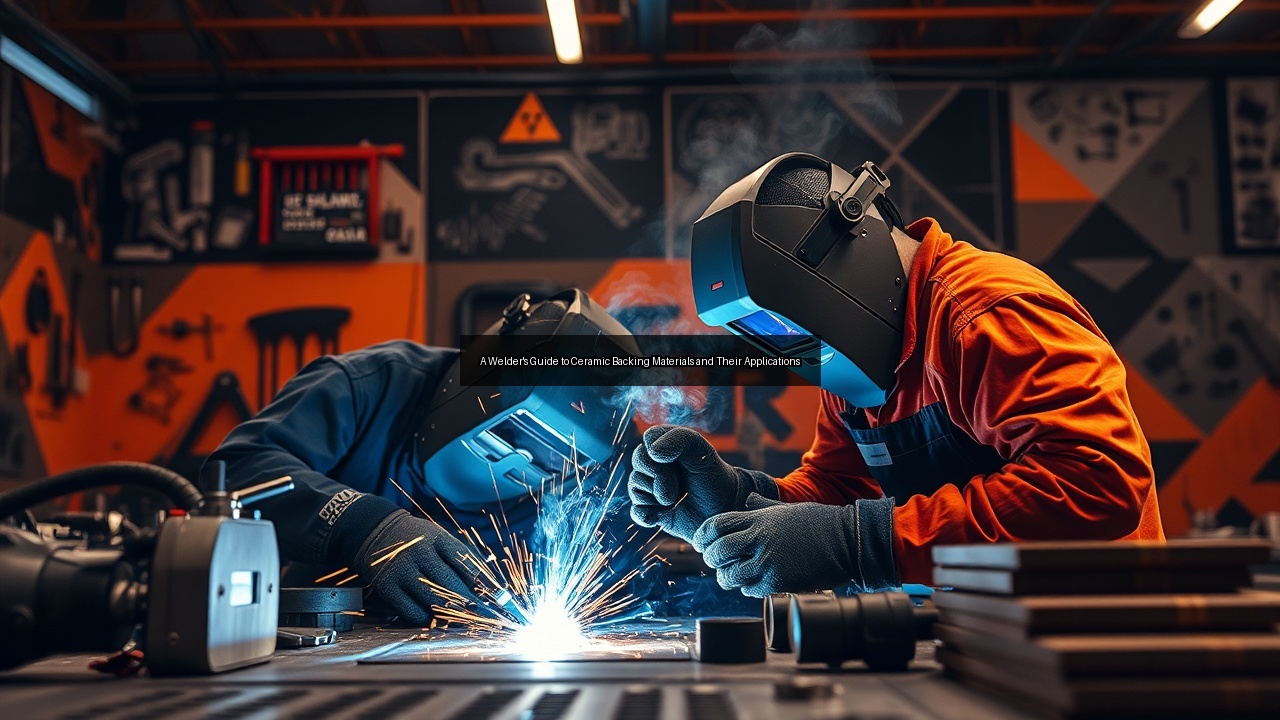
Ceramic backing materials serve as temporary supports placed behind joints during welding operations. These rigid strips or tapes prevent molten metal from falling through the root while allowing full penetration on the opposite side. Welders rely on ceramic backing for welding to achieve consistent results without grinding or back gouging afterward. The material withstands extreme heat from the torch yet remains easy to remove once the weld cools. Many fabricators in marine construction and heavy equipment repair turn to ceramic backing materials because they simplify one-sided welding on pipes, plates, and structural components. Proper placement ensures the ceramic back stays aligned with the joint, delivering clean, defect-free welds every time.
Backing materials like these also reduce distortion in thin aluminium sections and improve overall weld quality across various positions. Fabricators appreciate how ceramic backing for welds eliminates the need for additional passes or filler metal on the reverse side.
Types of Ceramic Materials Used in Welding
Manufacturers produce several ceramic compositions tailored to specific welding demands. Alumina-based ceramics offer high thermal resistance and suit MIG and GMAW processes on carbon steel. Zirconia ceramics handle higher temperatures and work well with TIG welding on stainless and exotic alloys. Some products combine ceramic fibers with adhesive backing for quick application on curved surfaces. Gullco International supplies KATBACK systems that feature pre-formed ceramic tiles mounted on flexible tape, allowing welders to follow complex geometries without gaps. Voestalpine offers precision-engineered ceramic backing strips optimized for automated lines where consistent root support matters most. Each type matches different base metals, joint designs, and heat inputs that welders encounter daily.
Selection depends on the thickness of the material being joined and the welding process itself. High-purity ceramics resist cracking under rapid temperature changes that occur during plasma cutting or laser-assisted operations.
Benefits of Using Ceramic Backing for Welds
Ceramic backing for welding delivers measurable advantages in productivity and quality. Welders complete joints in half the time because they avoid back-side access and post-weld cleanup. Full penetration occurs on the first pass, reducing filler consumption and heat input that can warp thin sections. The ceramic back also shields the root from atmospheric contamination, producing smoother interiors that require less grinding in pressure vessels or piping systems. Fabricators report fewer defects such as lack of fusion or porosity when they use properly fitted ceramic backing materials. In automated setups, these supports maintain uniform gap control that robots and welding carriages depend on for repeatable results.
Cost savings appear quickly through shorter arc times and reduced labor for fit-up. Welders across shipyards and fabrication shops confirm that ceramic backing improves safety by limiting awkward overhead or confined-space work.
Applications of Ceramic Backing in Welding
Ceramic Backing in MIG and TIG Welding
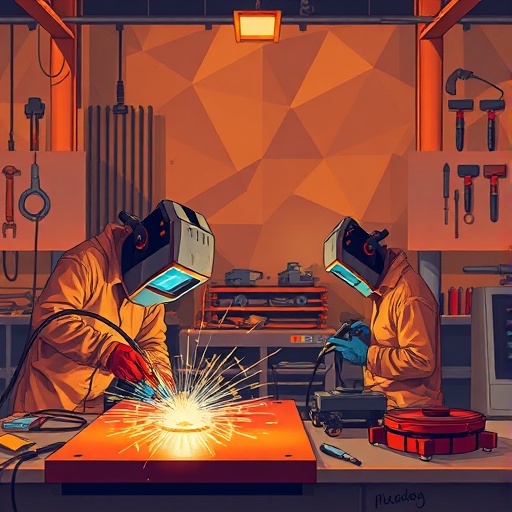
MIG and TIG processes benefit directly from ceramic backing because both require stable root support to achieve complete joint penetration. In GMAW applications on structural steel, welders place ceramic strips behind the joint before running the first pass with short-circuit transfer. The backing contains the weld pool and allows higher travel speeds without burn-through. TIG welding on aluminium or stainless benefits when ceramic backing materials maintain an inert atmosphere at the root, preventing oxidation that weakens the joint. Operators position the ceramic tiles flush against the plate edges so the tungsten electrode can focus heat precisely where needed. Many shops standardize on Gullco KATBACK products for their flexibility around elbows and transitions common in piping fabrication.
Consistent results appear across flat, horizontal, and vertical positions when welders follow manufacturer guidelines for spacing and preheat. These practices reduce rework rates significantly on critical components.
Role of Ceramic Backing in Plasma Cutting
Plasma cutting operations integrate ceramic backing to support edges during bevel preparation or hole cutting on thick plate. The ceramic back prevents dross from adhering to the underside and maintains part flatness after the cut. Welders who follow plasma cutting with welding use the same ceramic backing materials to transition directly into joint completion without additional fixturing. This approach streamlines workflow in metal fabrication where speed and accuracy determine throughput. High-temperature ceramics withstand the intense arc of plasma torches while protecting the work surface from spatter and heat marks. Voestalpine ceramics in particular show excellent durability during repeated cuts on carbon and stainless steels.
Operators adjust standoff distance carefully so the plasma jet does not erode the backing prematurely. Proper selection of ceramic thickness ensures the support remains stable throughout both cutting and subsequent welding steps.
Ceramic Backing in Automation and Robotics
Automated welding cells depend on ceramic backing to deliver uniform root conditions that sensors and torches can track reliably. Robotic MIG systems use pre-positioned ceramic strips to guide the welding head along programmed paths without manual adjustment. Gullco automation solutions pair ceramic backing with carriage systems that maintain constant speed and contact tip distance. In high-volume production of aluminium panels or marine structures, ceramic backing materials reduce variation between shifts and operators. Robots achieve higher duty cycles because they skip the time-consuming steps of back gouging and grinding. Integration with laser seam tracking further improves accuracy when ceramic geometry matches the programmed joint profile exactly.
Maintenance teams inspect ceramic tiles regularly for wear that could affect weld consistency in long production runs. This proactive approach keeps automation lines productive and defect rates low.
Choosing the Right Ceramic Backing Material
Factors to Consider When Selecting Ceramic Backing
Joint geometry, base metal thickness, and welding position all influence ceramic backing selection. Thicker plates demand wider ceramic tiles that fully support the root opening and prevent melt-through under high amperage. Curved surfaces require flexible adhesive-backed ceramics that conform without lifting during torch movement. Welders evaluate heat input from the process—MIG generates more spatter than TIG—so they choose denser ceramics that resist erosion. Environmental factors such as humidity or outdoor exposure affect adhesive performance on certain backing products. Trial welds on scrap material confirm compatibility before committing to full-scale production. Proper fit-up remains essential because gaps between ceramic segments allow weld metal to escape and create defects.
Budget considerations include both initial material cost and labor savings from faster joint completion. Experienced welders document successful combinations for future reference across similar jobs.
Comparing Ceramic Backing Materials from Gullco and Voestalpine
Gullco International focuses on modular KATBACK systems that combine ceramic tiles with durable tape backings suited for field and shop use. Their products excel in marine applications where welders need quick installation around complex shapes. Voestalpine emphasizes high-precision extruded ceramics with tight tolerances on thickness and width, ideal for robotic cells requiring repeatable placement. Both suppliers offer ceramics rated for different maximum temperatures and joint configurations. Fabricators compare adhesion strength, ease of removal after welding, and availability in regional warehouses when choosing between the two. Many shops maintain stock of both brands to match specific project requirements without delay.
Performance data from past jobs helps procurement teams decide which ceramic backing material delivers the best balance of cost and quality for recurring work.
Understanding Geometry and Thickness in Ceramic Backing
Ceramic backing geometry directly affects weld bead shape and penetration profile. Flat rectangular tiles suit butt joints on plate, while angled or radiused profiles support fillet and corner joints. Thickness typically ranges from 3 mm to 10 mm, with 102 mm wide strips common for heavy sections. Thinner ceramics allow faster heat dissipation and suit low-amperage TIG welding on thin aluminium. Thicker options contain larger weld pools during high-deposition MIG passes. Welders match the ceramic width to the root opening plus overlap on each side to ensure complete support. Proper alignment prevents the torch from pushing metal past the edges into unsupported areas.
Documentation of successful geometries helps standardize procedures and train new welders efficiently across different joint types and material thicknesses.
Protective Gear and Safety Considerations
Essential Welding Helmets for Ceramic Backing Applications
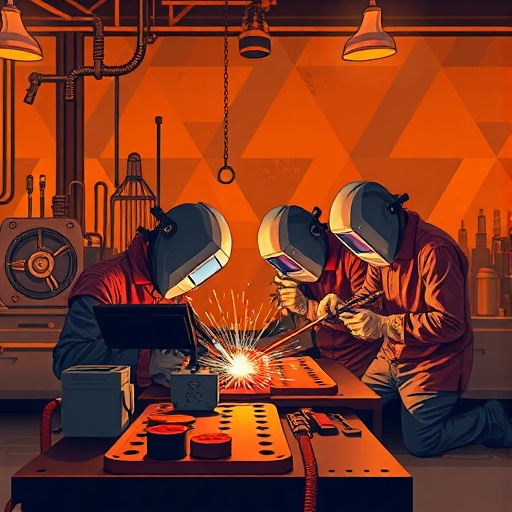
Welding helmets with auto-darkening lenses protect eyes during root passes supported by ceramic backing. Welders adjust shade settings to accommodate the bright arc reflection that sometimes occurs off ceramic surfaces. Helmets with larger viewing areas improve visibility when positioning ceramic tiles before striking the arc. Lightweight models reduce neck strain during extended shifts on overhead or vertical joints. Many fabricators select helmets rated for both MIG and TIG processes to handle varied work without swapping gear. Proper fit ensures the helmet stays in place while welders reach around pipes or into tight corners where ceramic backing installation requires precision.
Regular lens inspection prevents obscured vision that could lead to misalignment of the ceramic back or incomplete fusion at the root.
Protective Gear for Welders Using Ceramic Backing
Leather aprons, gauntlet gloves, and flame-resistant clothing shield welders from spatter generated when the arc interacts with ceramic backing materials. Respirators become necessary when grinding residual ceramic dust after weld completion. Steel-toe boots protect feet from falling ceramic fragments during material handling. Welders also wear ear protection in shops where multiple torches operate simultaneously near ceramic-supported joints. Proper storage of ceramic backing prevents contamination that could transfer to the weld or cause skin irritation during handling. Employers provide training on correct donning and doffing procedures to maintain consistent protection levels.
Regular inspection of protective gear identifies wear before it compromises safety during critical welding operations.
Safety Practices When Working with Ceramic Materials
Welders follow established protocols when cutting or fitting ceramic backing to avoid inhalation of silica particles. Wet methods or local exhaust ventilation capture dust at the source. Teams establish designated zones for ceramic handling away from active welding arcs to prevent accidental ignition of adhesive backings. Clear communication between fitters and welders ensures ceramic placement does not create trip hazards on the shop floor. Post-weld removal uses non-sparking tools that avoid damaging the finished weld surface. Documentation of near-miss incidents helps refine procedures and maintain high safety standards across all ceramic backing applications.
Consistent adherence to these practices protects both personnel and equipment while supporting reliable weld quality.
Future Trends in Ceramic Backing for Welding
Innovations in Ceramic Backing Technologies
Material scientists continue developing ceramic composites with enhanced thermal shock resistance and lower thermal conductivity. These advances allow higher travel speeds without compromising root integrity during high-deposition welding. Some new formulations include embedded sensors that change color when maximum temperature limits are approached, giving welders visual feedback. Adhesive systems now cure faster under ambient conditions, reducing preparation time before the torch starts. Manufacturers also explore recyclable ceramic backing materials that lower environmental impact without sacrificing performance. Welders benefit from these improvements through fewer setup errors and extended product shelf life in varying storage conditions.
Collaboration between suppliers and end users drives targeted innovations that address specific pain points in marine, aerospace, and pipeline fabrication.
The Impact of Automation on Ceramic Backing Applications
Robotic integration accelerates adoption of standardized ceramic backing geometries that machines can place with sub-millimeter accuracy. Vision systems verify tile alignment before welding begins, eliminating human error in high-volume lines. Automated adhesive application ensures uniform contact pressure that manual methods sometimes miss. Data collection from these systems reveals optimal ceramic thicknesses for different alloys and joint types, feeding continuous process improvement. Gullco and similar automation providers now offer complete packages that combine ceramic backing with welding carriages and parameter control. This convergence shortens cycle times and raises first-pass yield rates across entire production facilities.
Operators focus on oversight and quality verification rather than repetitive placement tasks, improving overall shop efficiency.
Looking Ahead: The Future of Welding with Ceramic Backings
Ceramic backing for welding will remain central to efficient one-sided joining as industries demand faster throughput and higher quality standards. Hybrid processes combining laser and arc welding will require ceramics engineered for precise heat management at elevated speeds. Expanded use in additive manufacturing repair work opens new markets for custom-shaped ceramic supports. Training programs increasingly incorporate ceramic backing techniques into welder certification curricula to prepare the next generation. Supply chain resilience grows as multiple qualified sources for ceramic backing materials become available worldwide. Welders who master current best practices position themselves to adopt emerging technologies smoothly and maintain competitive advantages in their fields.
Ongoing refinement of ceramic properties and application methods promises continued gains in weld integrity, safety, and productivity for years ahead.
See Also
- Innovative Uses of Ceramic Backing in Marine Welding Technologies
- Ceramic Welding Backing How It Enhances Efficiency and Safety
- Ceramic Backing Solutions for Aluminium Welding Challenges
- Exploring the Benefits of Ceramic Backing in MIG and TIG Welding
- The Science Behind Ceramic Backing Materials for Welders